Americas
The New World landmass spanning from Arctic tundra to tropical rainforests.

GrandEscogriffe · CC BY-SA 4.0
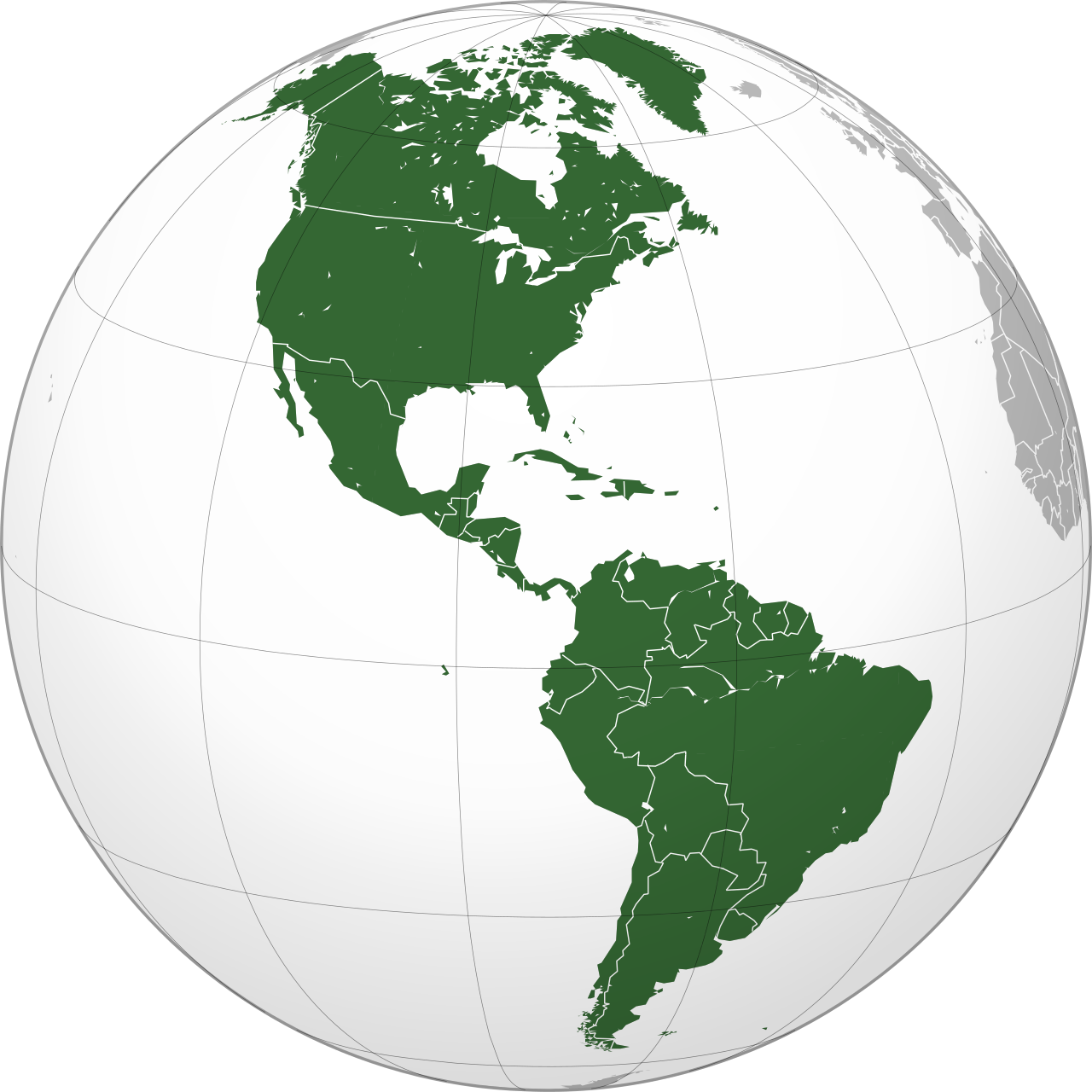
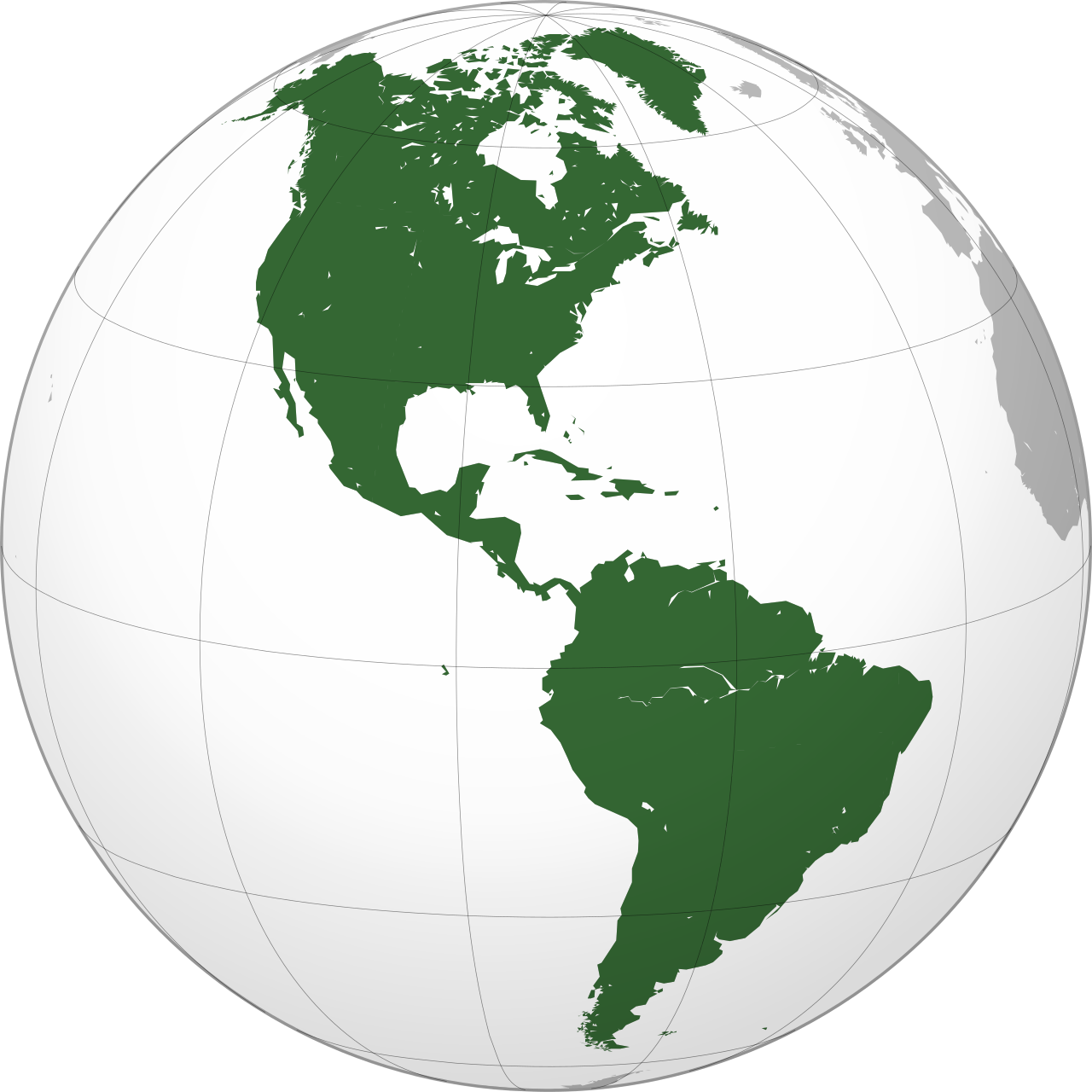
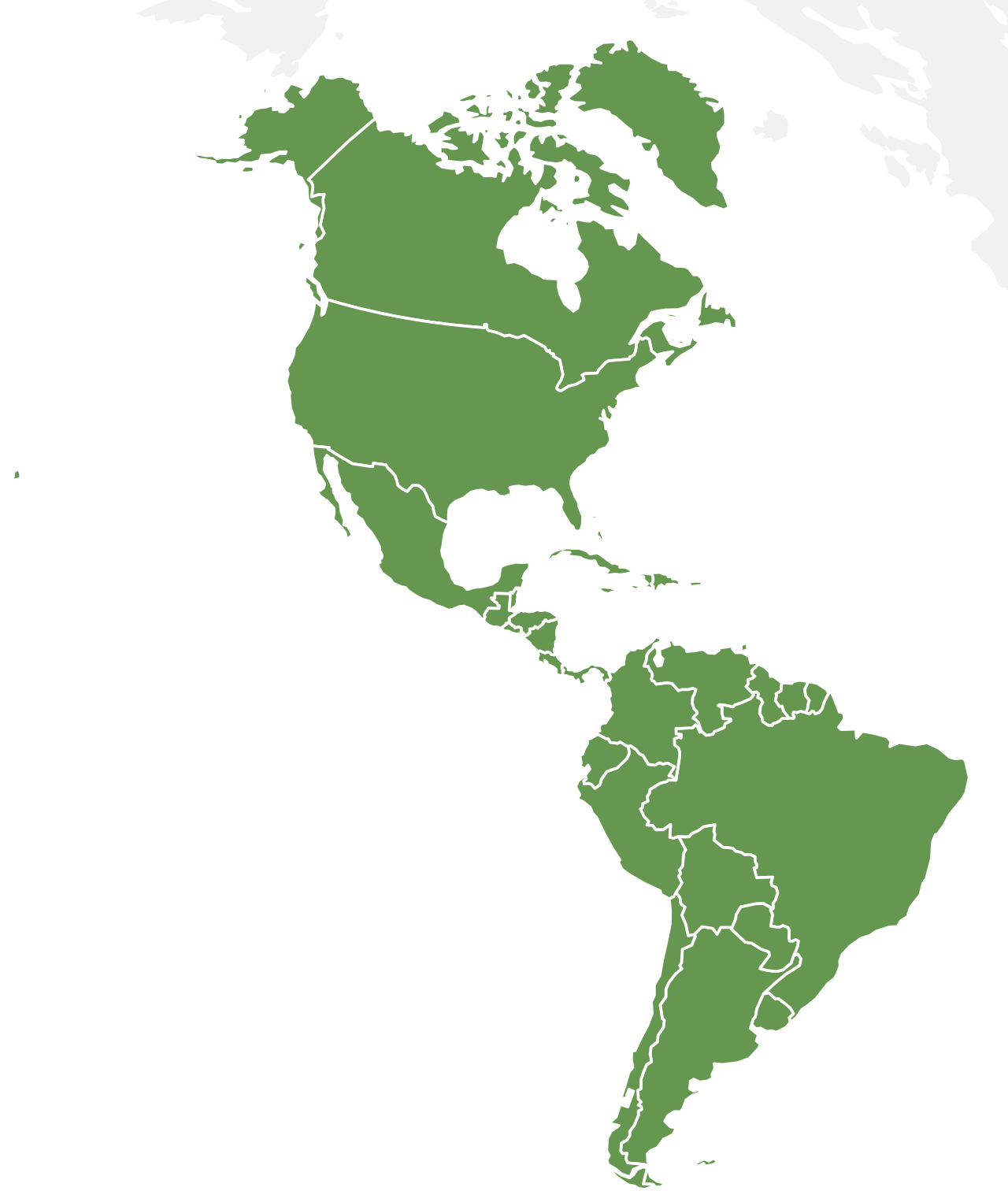
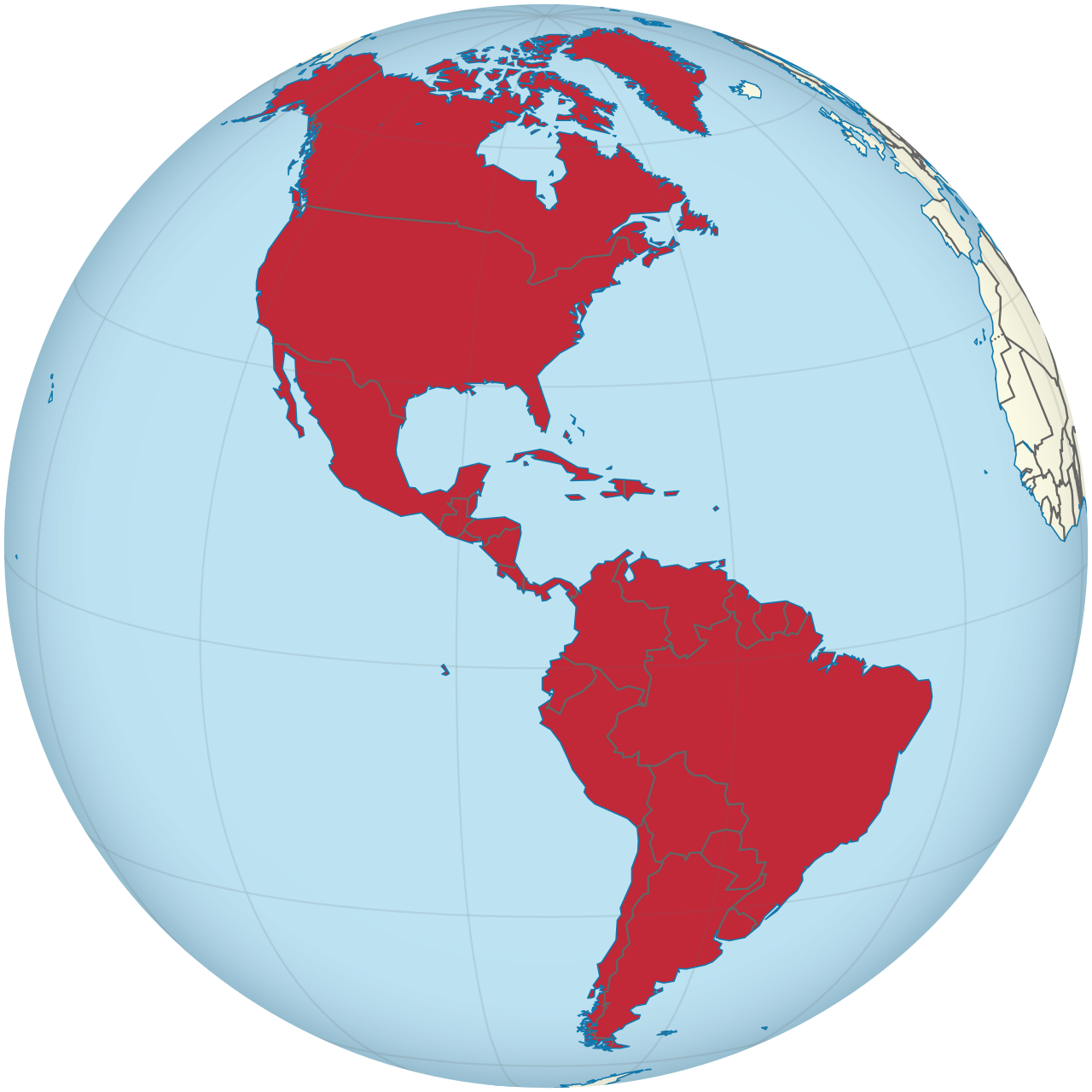
The Americas are a landmass comprising North America and South America, collectively sometimes called America. They constitute the New World, contrasting with the Old World of Afro-Eurasia, and make up most of the land in Earth's Western Hemisphere. As a single continent, they are the second largest by area after Asia and the third largest by population.
- area
- 8% of Earth's total surface area, 28.4% of its land area
- population
- More than one billion inhabitants
- largest_countries
- United States, Brazil, Mexico (two-thirds of population)
- major_mountain_range
- American Cordillera
- major_river_basins
- Amazon, St. Lawrence–Great Lakes, Mississippi, La Plata
- name_origin
- Derived from Americus, Latin version of Amerigo Vespucci's first name
Lore & Background
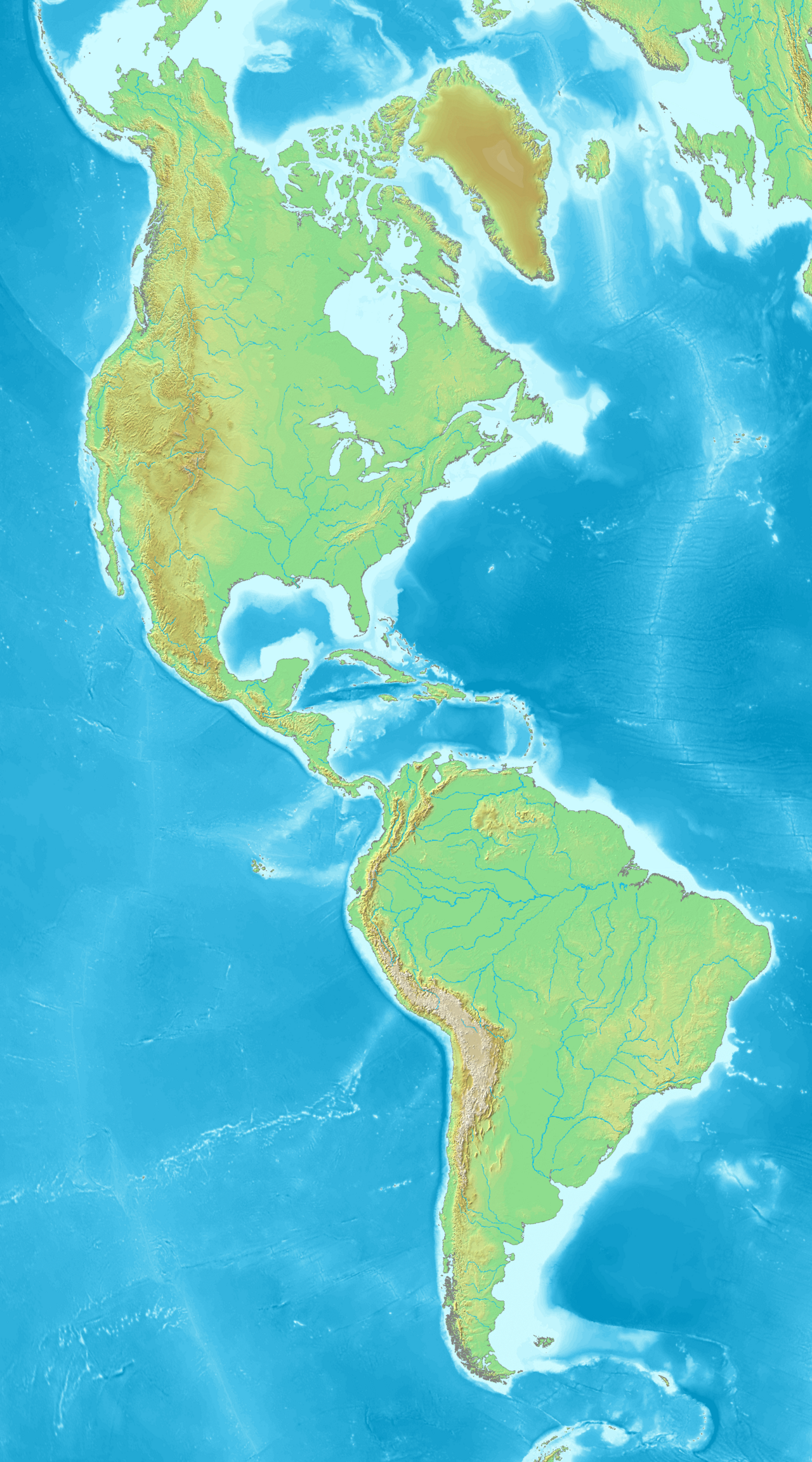
The topography is dominated by the American Cordillera along the west coast, while the eastern side features large river basins such as the Amazon, St. Lawrence–Great Lakes, Mississippi, and La Plata.
Reader's Guide
This period involved enslavement of indigenous populations, devastating disease introduction, and mass emigration from Europe and Africa. Decolonization began with the American Revolution in the 1770s and largely ended with the Spanish–American War in the late 1890s. Today, almost all of the Americas' population resides in independent countries, sharing common cultural traits such as Christianity and West European languages. The Americas are home to eight megacities with over 10 million inhabitants each, including Mexico City, São Paulo, New York City, and Los Angeles.
Did You Know?
- The Americas cover 8% of Earth's total surface area and 28.4% of its land area.
- Eight megacities in the Americas have populations of 10 million or more, including Mexico City and São Paulo.
The Americas as a Continental Cultural Area
The Americas stand as one of the most expansive illustrations of a cultural area in the social sciences. Defined as a geography characterized by a relatively homogeneous complex of human activities, the Americas encompass a vast territory where shared elements of environment and culture delineate a recognizable region. Within this continental framework, the cultural area subdivides into distinct sub-regions: the Caribbean, Central America, Mesoamerica, North America, Northern America, and South America. Each of these represents a geography where particular activities are associated with ethnolinguistic groups inhabiting that territory. What makes the Americas particularly instructive for the cultural area concept is that these sub-regions do not align neatly with political borders. Specific cultures routinely extend beyond the boundaries of any single nation state or its internal subdivisions, producing a layered mosaic of overlapping cultural spheres. The Americas thus serve as a prime case for understanding how macro-cultures can encompass smaller local cultures in concentric structures of influence.
Indigenous Cultural Landscapes and Language Families
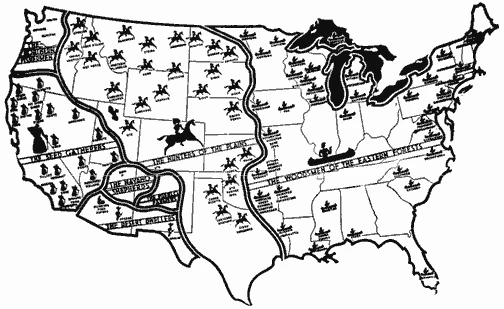
Within the broader Americas cultural area, indigenous peoples constitute a remarkable diversity of distinct cultural regions. The Indigenous languages of the Americas form a recognized language-family cultural area, while specific groups such as the Indigenous peoples of the Pacific Northwest Coast, Native Americans in the United States, and Indigenous peoples of South America each represent identifiable cultural areas with their own shared elements of environment and culture. These groups illustrate how a single continental cultural area can contain numerous smaller, relatively homogeneous cultural units. The vocabulary of cultural hearths, cores, and spheres of influence applies particularly well to these indigenous landscapes, where a dominant cultural core radiates influence into surrounding domains. Notably, the boundaries between these indigenous cultural areas are not fixed; they shift depending on whether one examines religion and folklore, dress, architecture, or language. This fluidity underscores that the Americas' indigenous cultural geography resists simple cartographic reduction.
Cultural Boundaries and the Limits of Political Geography
A defining feature of the Americas as a cultural area is the persistent mismatch between cultural boundaries and political ones. A cultural boundary, in ethnological terms, marks a geographical line between two identifiable ethnic or ethnolinguistic cultures, and within the Americas, such boundaries frequently ignore the borders of nation states. A language border is necessarily a cultural border, since language constitutes a significant component of any society's culture, yet even within a single ethnolinguistic group, more subtle criteria can divide subgroups along internal lines. In the Americas, different boundaries may be drawn depending on the particular aspect under study—whether one is mapping religion and folklore, dress, architecture, or language. This means that the same stretch of territory in, say, Mesoamerica or the Caribbean might be partitioned in entirely different ways depending on the analytical lens. The result is a cultural geography where formal, functional, and perceptual regions all coexist, each valid within its own framework of spatial understanding.
The Americas in Global Cultural Frameworks
The Americas do not exist in isolation within the taxonomy of cultural areas. They participate in broader dichotomies that shape how scholars categorize the world. The Global North and Global South divide, broadly understood as a socio-economic and political distinction, places various parts of the Americas on different sides of this line, complicating any single narrative of the continent. At the same time, macro-cultures on a continental scale are sometimes referred to as worlds, spheres, or civilizations, and the Americas fit within this larger classificatory vocabulary. The concept of culture areas is experiencing a resurgence of practical and theoretical interest as social scientists investigate processes of cultural globalization, making the Americas—home to the French America language cultural area alongside indigenous and other linguistic traditions—a particularly rich site for studying how cultural spheres overlap, intersect, and transform. The Americas thus occupy a position where local cultural cores, regional domains, and global spheres of influence all interact simultaneously.
Gallery

More in Regions & Cultural Spheres 1-24
Elsewhere in the Regions & Cultural Spheres universe
Spotted an error? Know more?
This is a living reference — every entry is fact-audited, and reader corrections feed straight into our audit queue. Suggest an edit · See this site's audit record